
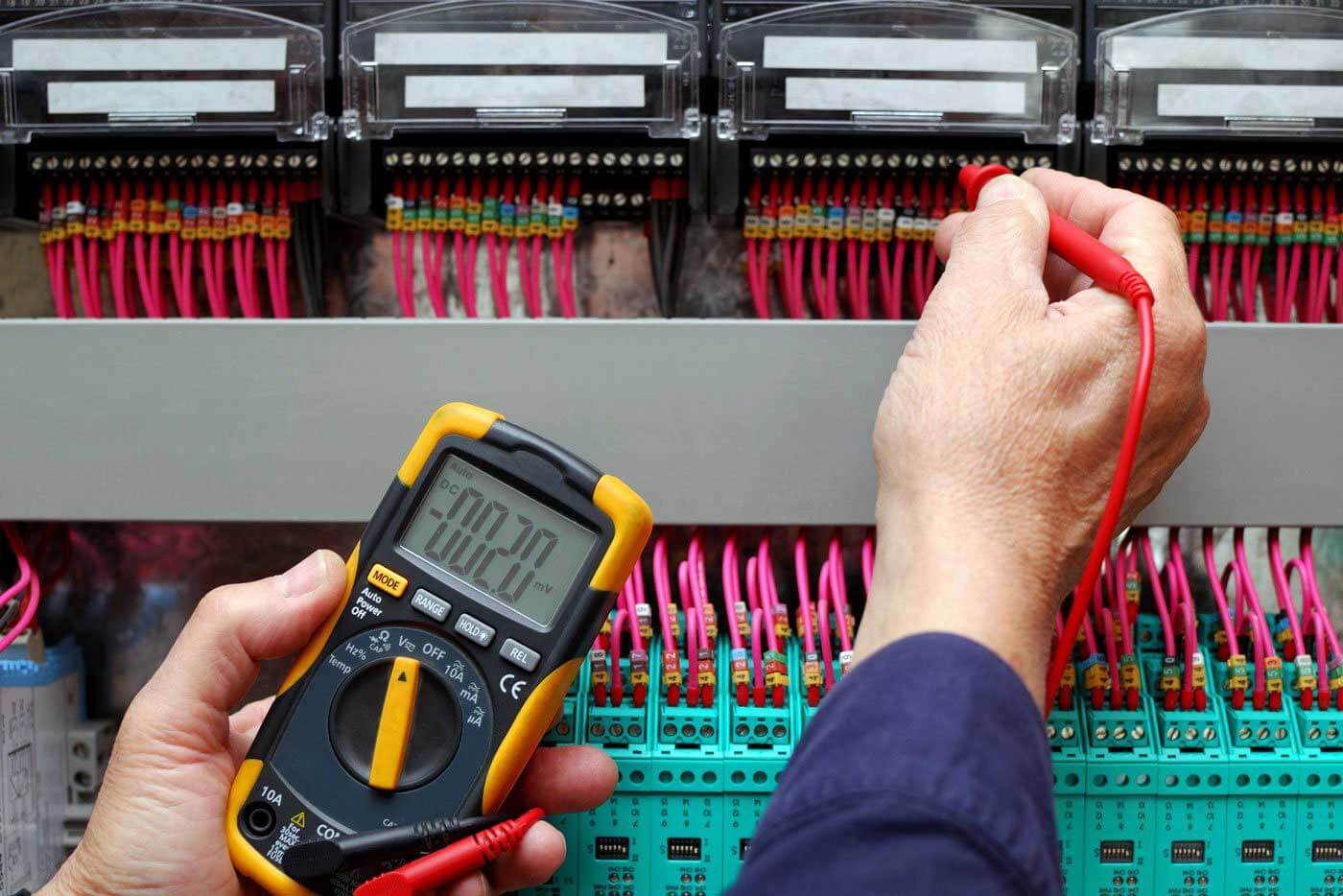
Electrical Testing for Schools: What Does Your School Need?
Schools rely on a huge amount of electrical equipment every day.
From classroom computers and interactive screens to kitchen equipment, lighting, photocopiers and fixed electrical installations, keeping everything safe is an important part of managing a school estate.
But what electrical testing does a school actually need?
There is not one single test that covers everything. Instead, schools should have an appropriate electrical maintenance programme covering the different systems and equipment across the site.
Here are some of the main areas to consider.
Fixed Electrical Installation Testing
The fixed electrical installation includes the wiring and electrical systems built into your school.
This can include:
- Distribution boards
- Wiring
- Socket outlets
- Lighting
- External electrical supplies
- Fixed equipment
- Air conditioning supplies
- Other permanently connected electrical systems
Periodic inspection and testing helps identify damage, deterioration or faults that could affect electrical safety.
Following an inspection, an Electrical Installation Condition Report, commonly known as an EICR, provides a record of the condition of the installation and highlights any problems that require attention.
For larger schools or multi-building estates, planning this work carefully can help reduce disruption to lessons and everyday operations.
PAT Testing and Portable Electrical Equipment
Schools can contain hundreds, or sometimes thousands, of electrical appliances.
Typical examples include:
- Desktop computers and monitors
- Laptops and chargers
- Printers
- Kettles
- Microwaves
- Extension leads
- Projectors
- Cleaning equipment
- Workshop equipment
- Music equipment
- Kitchen appliances
Portable Appliance Testing, usually called PAT testing, can form part of your electrical maintenance programme.
However, not every appliance automatically requires an annual PAT test.
The appropriate inspection and testing frequency should take account of factors such as the equipment itself, how regularly it is moved, where it is used and the likelihood of damage.
A laptop charger in an office, for example, may present a very different level of risk to equipment regularly moved around a workshop or school kitchen.
A sensible testing programme should reflect those differences.
Emergency Lighting Testing
Emergency lighting helps people safely leave a building if the normal lighting supply fails.
This is particularly important across large school buildings where pupils, staff and visitors may need to navigate corridors, stairways and exits during an emergency.
Schools should have arrangements in place for regularly checking their emergency lighting.
This includes routine functional checks as well as more detailed testing carried out by a competent person.
Keeping clear records of these checks can also make managing your school’s ongoing compliance much easier.
Why Electrical Testing in Schools Requires Careful Planning
One of the biggest differences between electrical testing in a school and testing a small commercial premises is the environment.
Electrical contractors may need to work around:
- Pupils
- Teaching hours
- Exams
- Staff
- Restricted areas
- School kitchens
- IT systems
- Specialist classrooms
- Safeguarding requirements
There may also be parts of the electrical installation that cannot simply be switched off in the middle of the school day.
Testing therefore needs to be properly planned.
Depending on the work required, testing can often be arranged around quieter periods, inset days, school holidays or outside normal teaching hours to minimise disruption.
What Happens If a Problem Is Found?
Finding a problem does not automatically mean major electrical work will be required.
The purpose of testing is to identify the condition of the equipment or installation so appropriate action can be taken.
Where faults are found, your electrical contractor should clearly explain:
- What has been identified
- How serious the issue is
- Whether immediate action is required
- What remedial work is recommended
- Whether equipment needs to be taken out of service
Good reporting is particularly useful for schools, academies and multi-academy trusts managing maintenance budgets across several buildings or sites.
Keeping Electrical Compliance Records
Maintaining organised records can make future testing much easier.
Useful records can include:
- Previous EICRs
- PAT testing records
- Emergency lighting test records
- Details of remedial electrical work
- Equipment registers
- Previous inspection dates
- Recommended dates for future inspections
Rather than viewing each inspection as a separate job, schools can use this information to build a planned electrical maintenance programme.
This can help estates teams understand what work is approaching and budget accordingly.
Electrical Testing for Schools Across the North West
Current Compliance provides professional electrical testing and compliance services for schools, academies and other education settings across Cheshire, Manchester, Liverpool and the wider North West.
Our aim is to make electrical compliance straightforward.
We understand that schools need work to be completed efficiently, clearly documented and planned around the people using the building.
Whether you need fixed electrical installation testing, PAT testing, emergency lighting testing or support planning an ongoing electrical testing programme, our team can help.
Need to arrange electrical testing for your school?
Contact Current Compliance to discuss your site, your existing testing records and what electrical inspections may be required.